MGID Alternatives: 7 Ad Networks Compared (2026)

This comparison is for advertisers who already use or consider MGID and need to decide whether another platform better fits a specific campaign. We compare seven alternatives by format mix, entry requirements, pricing approach, GEO coverage, and buying model, using platform data rather than third-party review averages.
TL;DR:
• Keep MGID when native discovery and content-led acquisition are central to the campaign.
• Look at another platform when you need a different format, stronger GEO coverage, another buying model, or a second source to benchmark.
• Treat deposits, billing increments, daily budgets, and recommended test budgets as different metrics — none of them alone tells you the real cost of a test.
Why Advertisers Look for MGID Alternatives
MGID already gives you Native, Push, Rich Media, Video, and Programmatic Display. That is plenty to work with. The reason to add another network is usually more practical: one GEO is short on volume, the media plan needs a different format, the entry budget works better elsewhere, or you want a clean test against a different buying setup.
If native traffic is still central to your strategy, it also helps to understand what native advertising is and how it differs from push, popunder, and other performance formats.
In reviews, MGID sits alongside a who’s who of native and performance platforms: Taboola, Outbrain, Yahoo Native, StackAdapt, Google Ads, Amazon Advertising, Microsoft Advertising, Revcontent, and more.
No two names on this list solve exactly the same problem. Taboola and Outbrain stay close to discovery. Microsoft and Google bring search intent. StackAdapt leans programmatic. That is why a flat “best MGID alternative” ranking is not very useful. A better question is: what does this campaign need that MGID is not giving it right now?
For a wider market view, see our full ad network comparison for advertisers:

MGID Alternatives: Comparison Table
Use the table to narrow the list, then stop looking at the table. A minimum deposit tells you how easy it is to open a test. It cannot tell you whether the traffic will fit the offer, whether there is enough volume in the GEO, or whether the optimization tools will do enough once spend starts moving.
| Network | Main formats | Deposit / entry point | GEO coverage | Payment model |
|---|---|---|---|---|
| Taboola / Realize | Native, display, video, vertical video, and other Realize performance inventory. | No fixed deposit; on Automated billing increment is normally $100 | Global open-web | CPC, CPM |
| PropellerAds | Popunder, Push, Telegram Ads, Paid Social Traffic, Interactive Ads | Prepayment; first deposit from $100 | Global; 195+ GEOs | CPM, CPC, SmartCPM, SmartCPC, CPA Goal |
| Outbrain / Teads | Standard Native, Carousel, App Install, Clip, and Vertical Video; broader Teads inventory also includes display, video, and CTV. | No fixed deposits; Min daily budget from $20 | Global open-web | CPC (self-serve); Teads options via managed setup |
| Yahoo DSP | Native, display, video, audio, CTV, DOOH | No public data for Enterprise; from approx. $20/daily in self-service accounts | Multi-market | CPM, CPC, CPV, oCPM by channel |
| Microsoft Advertising | Search, audience/native, display, video, shopping, CTV | No deposit; Min daily budget from $0,05 | Multi-market | CPC, CPM/CPV, automated bidding |
| Google Ads | Search, Display, Video, Shopping, Performance Max, Demand Gen | No official minimum deposit if using a prepay payment method | Global | CPC, CPM, CPV, conversion-based bidding |
| StackAdapt | CTV, DOOH, display, native, audio, video, in-game, email | No public deposit or minimum spend; custom pricing | Global programmatic | CPM, CPC, and CPE |
Data check: September 2026.
1. Taboola
If you want to stay close to native advertising while adding broader performance inventory, Taboola is a natural comparison point. Realize has expanded the platform beyond classic recommendation-widget placements into display, video, vertical video, and other performance inventory.
Actual test requirements depend on the GEO, targeting, and optimization setup, so entry conditions alone do not indicate how much budget a useful test will need.
If Taboola is already on your shortlist, see our Taboola alternatives comparison.
2. PropellerAds
Disclosure: PropellerAds is our platform.
PropellerAds is a multisource advertising platform built for performance campaigns across several traffic sources from one account. The current panel includes Interactive Ads Popunder, Push, Telegram Ads, Paid Social Traffic, and In-Page Push.
Buying options depend on the format: CPM, CPC, SmartCPM, SmartCPC, and CPA Goal are available. Self-service deposits start from $100 depending on the payment method. Inventory currently spans 195+ GEOs.
And then there is NIKO AI. The agent sits inside the Self-Serve Platform and takes some of the clicking out of campaign setup and routine management. With that chat, you can create and edit campaigns, check rates and traffic estimates, review stats, and change targeting. Actions that affect a campaign or budget still wait for your approval.
One caveat: if classic native recommendation widgets are the reason you use MGID, PropellerAds is not the direct substitute. It is more useful when the plan is to keep native and build other performance formats and traffic sources around it.
If you are comparing other performance networks as well, see our Adsterra alternatives guide. You can also explore our RichAds alternatives comparison.
3. Outbrain / Teads
Outbrain remains close to MGID for native and content-discovery campaigns. Following the Teads combination, the broader ecosystem also includes display, video, CTV, and other open-web inventory.
Self-service Outbrain campaigns center on CPC, with a published $20 minimum daily budget. This provides a route from native discovery into broader Teads inventory, but it is less relevant if the goal is simply to test Push or Popunder traffic.
For a deeper comparison, see our Outbrain alternatives guide.
4. Yahoo Native / Yahoo DSP
Yahoo only makes sense here if you think beyond “another native network.” Native sits inside a broader programmatic setup alongside display, video, audio, CTV, and audience-driven buying through Yahoo DSP.
That breadth suits agencies and advertisers already juggling a wider media mix. The inconvenient bit is pricing. There is no single public minimum spend or CPM that fits every account, so you cannot compare Yahoo with a quick one-number glance. The setup decides the real starting point.
5. Microsoft Advertising
Microsoft Advertising enters the shortlist from a different door: search. If intent matters as much as — or more than — native discovery, the comparison changes. Native, display, video, shopping, and CTV are there too, but search is the reason this option feels different from MGID.
The key difference from MGID is the moment you reach the user. MGID is closer to content discovery; Microsoft can reach people who are already searching for a product, service, or answer. If that intent layer is becoming more important in your media mix, see our Google Ads alternatives guide for a broader look at search-led acquisition.
6. Google Ads
Google Ads is an even bigger step away from the classic native-network model. That is also why it belongs here. When the job shifts from discovery to intent capture, Search, Display, Video, Shopping, and Performance Max give you a very different toolkit inside Google’s ecosystem.
Google Ads has no universal minimum deposit, and the auction decides the cost. The real constraint is not a stated entry fee; it is whether the campaign can compete in the market you care about. Use Google when search or Google-owned inventory matters strategically. If what you wanted was another native recommendation feed, it is a much weaker match.
7. StackAdapt
StackAdapt is the point where the brief starts sounding less like “find another native network” and more like “give me a programmatic stack.” Native is one piece of it; display, video, CTV, audio, DOOH, and other channels sit beside it.
For a team already planning across several programmatic channels, that breadth is useful. If all you want is another straightforward native source to test, it may simply be more machinery than the campaign needs.
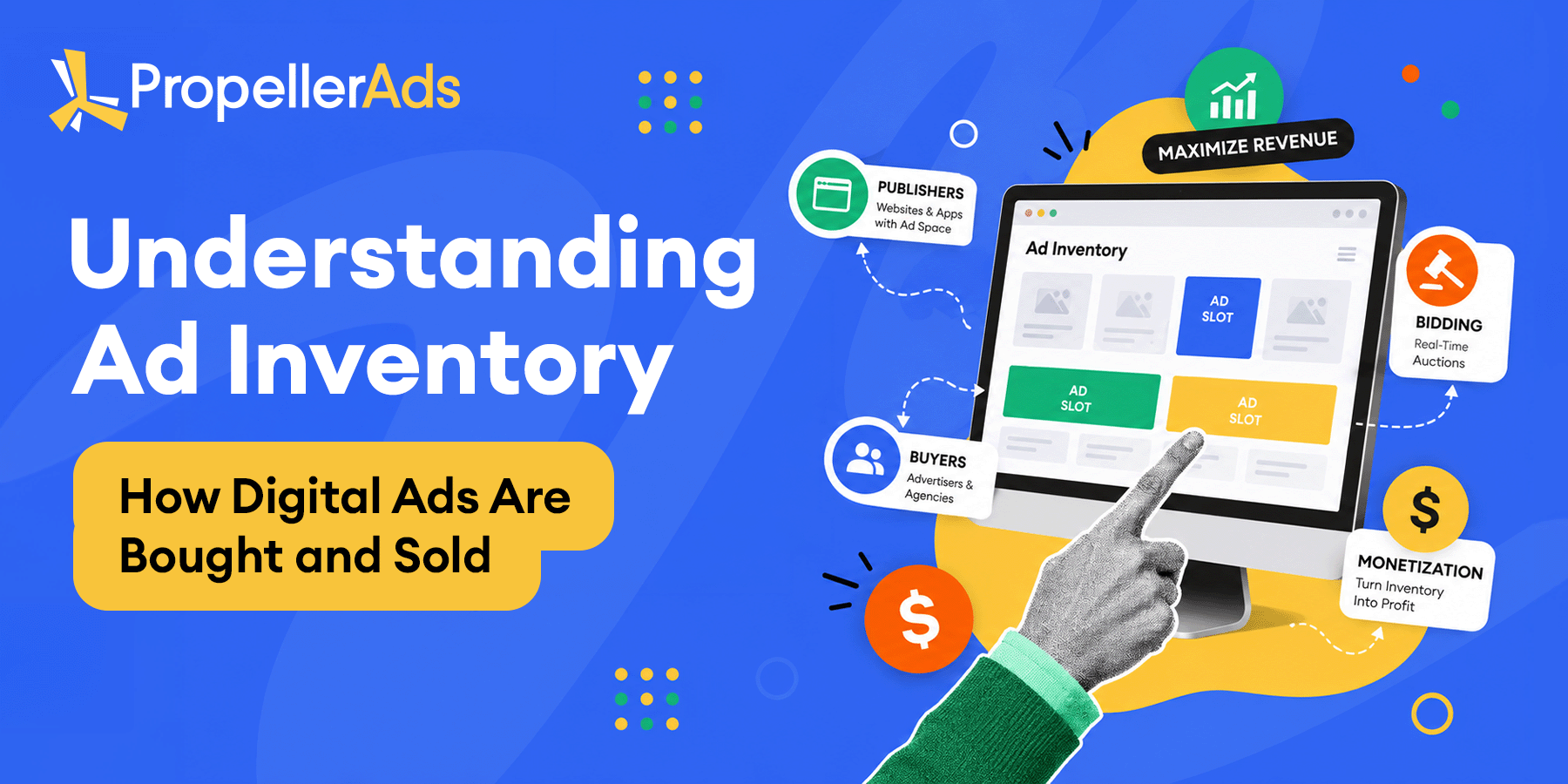
What Is the Minimum Deposit for MGID (and Its Alternatives)?
MGID’s minimum deposit is $100. MGID recommends an initial deposit of at least $650 to generate more testing data, while self-registered advertiser accounts need a minimum $650 balance to access CPA Tune.
The catch is that every platform means something slightly different by a “starting budget”:
- PropellerAds: self-service starts from $100, depending on the payment method.
- Taboola: the commonly cited $100 figure is a billing increment, not a universal minimum deposit.
- Outbrain: self-service campaigns have a $20 minimum daily budget.
- Other platforms: entry requirements may be account-specific, managed, or contract-based.
Those numbers are access requirements, not media plans. A low threshold lets you start. It does not guarantee enough data for a sensible CPA or ROAS decision, so do not treat the minimum as a recommended campaign budget.
How to Choose an MGID Alternative
Forget the leaderboard for a minute. The useful choice starts with the campaign in front of you, and four questions usually do most of the work:
- What format does the funnel need: native, push, in-page push, popunder, search, social, or programmatic traffic?
- Is there enough useful traffic in the GEO? “Global” does not automatically mean strong volume for your country, device mix, and format.
- Can the test budget run long enough to teach you something? Compare entry requirements, but do not confuse the minimum with the budget the test actually needs.
- Does the offer suit the source? E-commerce, finance, utilities, games, lead generation, and other verticals can behave very differently across traffic types.
The cheapest click can still be the wrong buy. What you need is enough relevant traffic for the offer and enough control to understand why the test worked — or why it did not.

FAQ
There isn’t one. Change the GEO, format, targeting, competition, or available inventory, and the cheapest option can change with it. MGID and PropellerAds both have public $100 starting figures in this comparison; Outbrain lists a $20 minimum daily campaign budget. Those numbers reflect different thresholds, so a simple cheapest-to-most-expensive ranking would be misleading.
For an advertiser, “pays the most” is really a question about return on the same spend. There is no fixed winner. GEO, offer, audience, format, and traffic cost all move the result. Compare CPA and ROAS under similar conditions; a headline CPC or CPM by itself tells you very little.
Disclosure: PropellerAds is our platform. For some briefs, yes, it belongs on the shortlist — especially when you want to add new formats around a native strategy. Self-service deposits start from $100, and Popunder covers 195+ GEOs. If classic native recommendation widgets are the core requirement, MGID, Taboola, or Outbrain/Teads are the closer fit.
Join our Telegram for more insights and share your ideas with fellow affiliates!
Trends
View more postsFrom 11/11 to Cyber Monday 2026: What the Data Shows and How to Run Your Campaigns
Short Drama, PWAs, and AI Among 86% of Game Developers: 6 Key Trends from ChinaJoy 2026
Sporting Events 2026/27 for Affiliate Marketers [Interactive Calendar]
6 AI Trends Shaping Traffic Buying. Insights from Alex Vasekin