Native Advertising: Examples, Costs and Alternatives

This post is also available in:
 ES
Native advertising is paid content that matches the form of the platform it appears on – sponsored articles, feed widgets and recommendation blocks. Below: real examples, typical CPM costs, and how advertisers buy native-style traffic through networks or through alternatives such as in-page push and social formats.
Ever scrolled through your favorite website or social media feed and stumbled upon an article or video that felt just a little too perfect? That might have been your first encounter with native advertising.
Unlike in-your-face ads, native advertising blends seamlessly into the content, matching the style and experience of the platform where it appears.
What is Native Advertising?
Native advertising is a form of paid media where the ad experience follows the natural form and function of the user experience in which it is placed. In simpler terms, it means the ad blends in with the surrounding content, looking and feeling like it belongs there.
Unlike traditional display advertising, native ads are designed to feel like part of the content environment. They usually match the platform’s format, style, and user experience while still being clearly marked as sponsored content.
And the thing is, these ads work. In a 2024 eye-tracking study published by ACM, in-feed native ads held users’ gaze roughly twice as long as the lowest-performing standard banner (12.9% vs. 6.5% dwell time) — a clear sign of how deeply banner blindness has set in (Kremantala et al., PCI ’24, lab study, 47 participants).
There are several types of native advertising, each designed to fit specific content environments:
- In-feed ads: These ads appear directly in the user’s content feed, mimicking the look and feel of organic posts.
- Sponsored content: This type of native ad is a paid article or video created by the advertiser but published on a third-party platform.
- Recommended content: These ads suggest related articles or videos to the user, often appearing at the end of an article or webpage.
- Native video ads: These ads are video content that blends in with the surrounding video content on a platform.
What makes an ad “native”? It’s all about relevance, format, and placement. The ad should be contextually relevant to the content it appears alongside, follow the same format as the surrounding content, and be placed in a natural, non-disruptive location.
Native Advertising Examples
Let’s bring native advertising to life with a few real-world examples that showcase its versatility and effectiveness:
In-Feed Ads on Social Media
Imagine scrolling through your Facebook feed and coming across a post from a popular fitness influencer showcasing their new workout gear. The post looks like any other organic post, with a captivating image and engaging caption.
However, a subtle “Sponsored” label indicates that it’s a paid advertisement for the fitness apparel brand.

Sponsored Content on a News Website
While reading an article about healthy eating habits on a health-focused website, you might come across a sponsored article titled “5 Delicious and Nutritious Breakfast Ideas.”
This article, created by a food brand, seamlessly blends in with the surrounding editorial content, offering valuable information while subtly promoting their products.
Recommended Content on a Blog
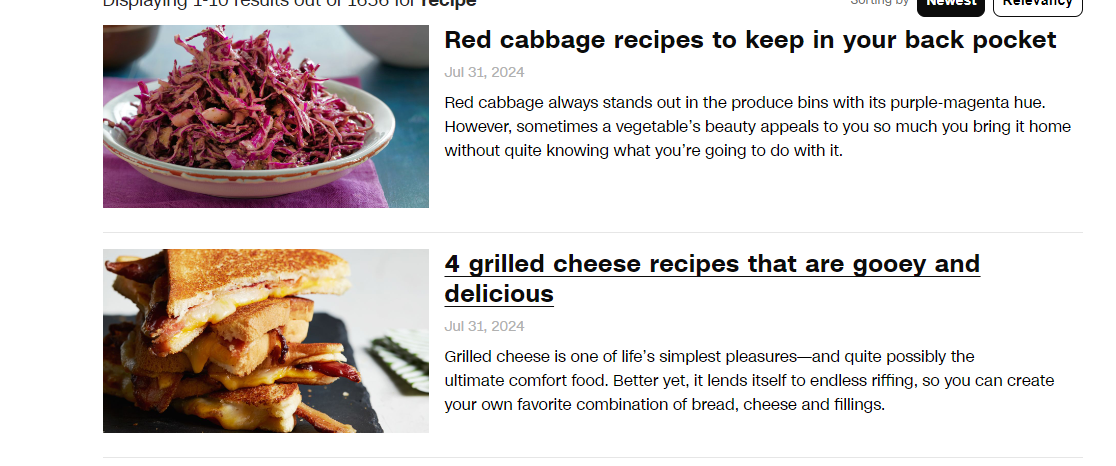
After reading a blog post about travel tips, you might see a section titled “Recommended for You” featuring articles from a travel booking platform.
These articles, while promoted, are relevant to your interests and provide additional value to the user.
Native Video Ad on a Media Platform
While watching videos on a media platform, a short video ad for a new car model might play before or during your selected content.
This ad integrates with the viewing experience, often featuring high-quality production and storytelling to capture the viewer’s attention.
Native Ads in Content Recommendation Widgets
Many native advertising campaigns appear as recommended content blocks below articles or inside publisher websites. Platforms such as Taboola, Outbrain, and MGID specialize in connecting advertisers with publishers that display these recommendation-style placements.
Advertisers usually optimize these campaigns through headlines, images, audiences, and publisher-level performance data.
Promoted Listings
Ecommerce platforms and marketplaces are full of promoted listings. You know those sponsored or featured ads that show up with product listings? Well, those are promoted listing ads, and they highlight specific products or services within search results or product category pages.
Native-Style Ads Across Mobile Experiences
Native advertising principles are also used outside traditional recommendation widgets. Formats such as in-page push can match the look and feel of regular notifications while reaching users across devices.
For advertisers exploring alternatives to native networks, formats such as in-page push and push formats can provide another way to reach audiences with less disruptive experiences.
How Much Does Native Advertising Cost?
Curious about the price tag of native advertising? Well, it’s not a one-size-fits-all answer, but we can give you a ballpark figure.
The cost depends on several factors:
- Pricing model
- Targeting settings
- Platform and ad format
- Competition
- Creative quality
- GEO and audience
Think of native advertising costs like planning a campaign budget: the final price depends on where you advertise, who you target, and what action you want users to take.
Common Native Advertising Pricing Models
CPM (Cost Per Thousand Impressions)
Advertisers pay for every 1,000 impressions. CPM is commonly used when the goal is reach and brand awareness.
CPC (Cost Per Click)
Advertisers pay when someone clicks on an ad. This model is often used when driving traffic to landing pages or content.
CPA (Cost Per Action)
Advertisers pay after a user completes a specific action, such as registration or purchase.
Native advertising costs vary significantly depending on the platform and campaign setup. The table below provides typical ranges for different traffic sources.
| Traffic source | Typical pricing model | Estimated CPM range* | Notes |
| Native ad networks (Taboola, Outbrain, MGID) | CPM / CPC | $2–10+ CPM | Pricing depends heavily on publisher quality, GEO, audience, and competition. |
| In-page push traffic | CPM / CPC | $0.20–3+ CPM | A lower-cost alternative for reaching users with native-like placements. |
| Social traffic | CPM / CPC | $3–15+ CPM | Costs vary by platform, audience, and campaign objective. |
Data check: October 2026
*Ranges are approximate benchmarks and can change depending on GEO, vertical, targeting, seasonality, and auction competition. Always test with a controlled budget and optimize based on CPA/ROAS rather than CPM alone.
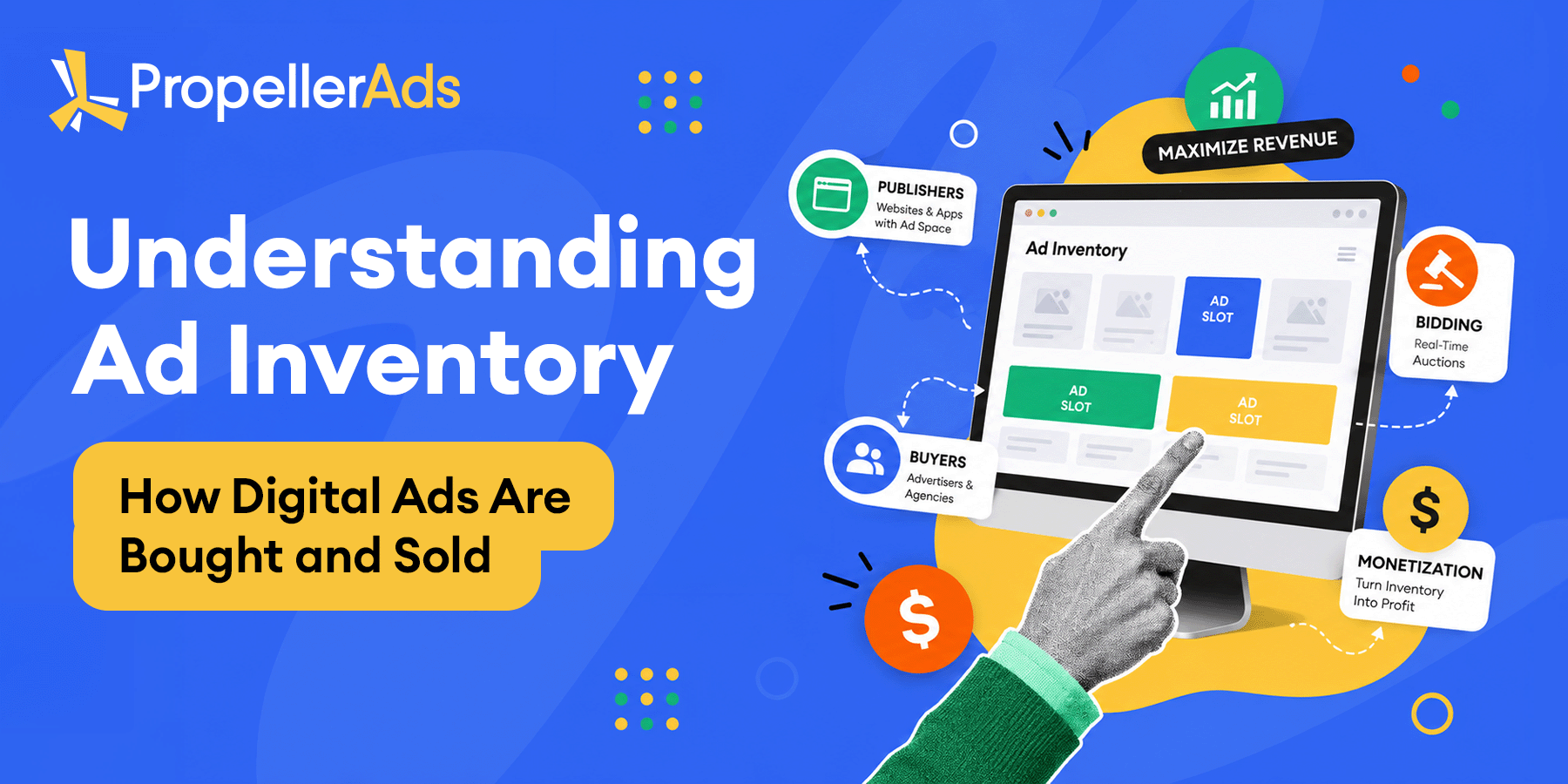
PropellerAds does not offer native advertising as a separate format. Instead, advertisers looking for native-style traffic can explore alternative formats such as in-page push and push formats or social traffic.
Where to Buy Native Ads Traffic
If you want to buy native ads traffic, there are several main options depending on your campaign goals and level of control.
Native advertising networks
Popular native advertising networks include Taboola, Outbrain, and MGID. These platforms are widely used for recommendation widgets, sponsored content, and publisher-based campaigns.
If you’re comparing native networks, explore our guides on MGID alternatives, Taboola alternatives, and Outbrain alternatives.
Social advertising platforms
Social platforms provide another way to distribute content-style campaigns. Advertisers can use audience targeting, creative testing, and engagement signals to reach specific user groups.
Native-style traffic alternatives
Not every advertiser needs a traditional native network. Some campaigns may perform better with formats that provide similar benefits: smooth user experience, broad reach, and flexible targeting.
For example, PropellerAds provides access to multiple advertising formats through a multisource advertising platform.
Native Ad Network Alternatives: When a Native Network Isn’t the Right Fit
Native networks can be effective, but they are not the only way to reach audiences with content-driven campaigns. The right choice depends on your goal, budget, funnel, and the level of control you need.
When native networks make sense
Native networks are useful when you want:
- Sponsored content placements
- Recommendation widgets
- Publisher-based reach
- Content discovery campaigns
Platforms like Taboola, Outbrain, and MGID are commonly used for these purposes.
When alternatives may work better
A native network may not always be the best option if you need faster testing, more flexible optimization, or access to different traffic sources.
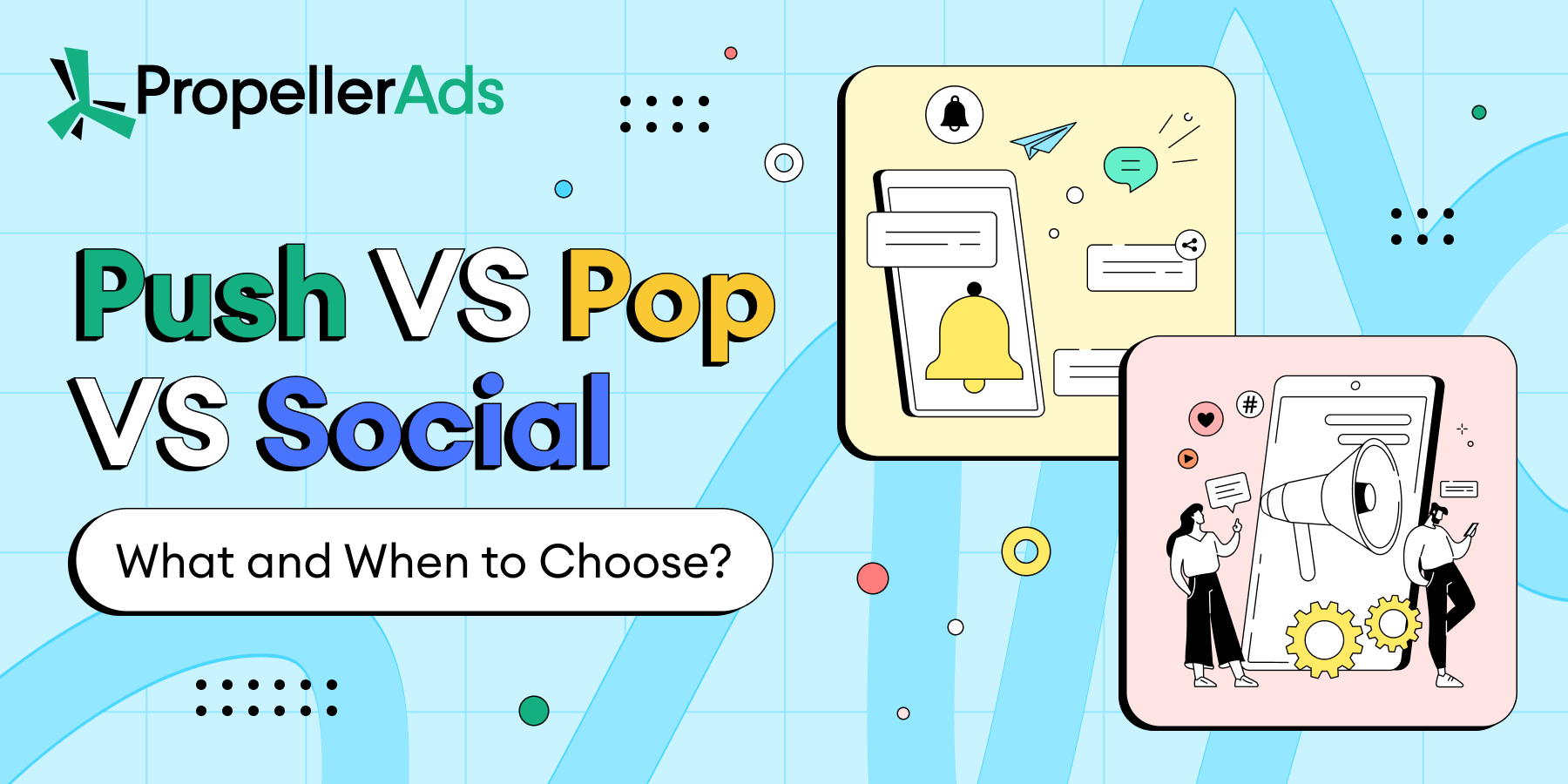
For performance-focused advertisers, formats such as in-page push, push, and social traffic can provide alternative ways to reach users while maintaining a smoother advertising experience.
PropellerAds is a multisource advertising platform that helps advertisers access multiple traffic sources and manage campaigns through a self-serve workflow. It can fit advertisers who are looking for native-style experiences and want to explore alternative formats based on campaign goals.
Ready to test alternative traffic sources? Launch a self-serve campaign and compare performance across formats.
Strategies for Effective Native Advertising
Use these five strategies to improve your native advertising campaigns:
- Quality content is king: Give users something useful, interesting, or entertaining that fits the placement and gives them a reason to engage. Write headlines that read like article titles, not ads, and test several creative angles.
- Blend In: Match the platform’s style, tone, and format so your ad fits the surrounding content.
- Honesty is the best policy: Clearly label ads as “Sponsored,” “Promoted,” or “Paid Content.” Transparency builds trust.
- Find your tribe: Choose platforms, audiences, and placements where potential customers are likely to engage.
- Track your progress: Test creatives, targeting, traffic sources, and formats. Measure CPA and ROI alongside clicks, then scale based on results.
The same principles work beyond native networks. Test native-style formats like in-page push and social traffic on PropellerAds.
Frequently Asked Questions
An example of native advertising is a sponsored article on a news website, a promoted post in a social media feed, a recommended content widget below an article, or a branded video that matches the surrounding content experience. The main characteristic of native advertising is that the paid content follows the format and function of the platform where it appears while remaining clearly disclosed as sponsored content.
Native advertising costs depend on the platform, audience, targeting settings, format, and competition. Common pricing models include CPM (cost per thousand impressions), CPC (cost per click), and CPA (cost per action).
Typical CPM ranges are about $2–$10+ for native networks, $0.20–$3+ for in-page push traffic and $3–$15+ for social traffic.
A native ad network alternative is another way to reach audiences with content-style or less disruptive advertising experiences without using traditional native networks. Depending on campaign goals, alternatives may include in-page push, push formats, and social traffic.
No. Native ads match the format and environment of the content around them, while push ads are notifications delivered to users through supported devices and browsers. However, some push formats, such as in-page push, can provide a native-like user experience because they are designed to fit naturally into the browsing environment.
Join our Telegram for more insights and share your ideas with fellow affiliates!
Trends
View more postsFrom 11/11 to Cyber Monday 2026: What the Data Shows and How to Run Your Campaigns
Short Drama, PWAs, and AI Among 86% of Game Developers: 6 Key Trends from ChinaJoy 2026
Sporting Events 2026/27 for Affiliate Marketers [Interactive Calendar]
6 AI Trends Shaping Traffic Buying. Insights from Alex Vasekin